
Struggling to understand CBD oil and its impact on your health? You’re not alone. With cannabidiol (CBD) emerging as a popular natural remedy, many are curious about its potential benefits and side effects.
This article will guide you through what you need to know about CBD oil, from easing discomfort to navigating possible risks. So let’s dive in, your journey to clarity starts here!
Key Takeaways
- CBD oil comes from the cannabis plant but does not make you high because it has very little THC.
- It may help with pain, anxiety, depression, and some symptoms of cancer. It could also protect nerves in your brain.
- Some people get side effects like feeling tired or having a dry mouth when they use CBD oil.
- Always talk to a doctor before taking CBD oil if you are using other medicines.
- Make sure the CBD oil you buy is safe by choosing products that have been tested and are clear about how much CBD is in them.
Understanding CBD Oil
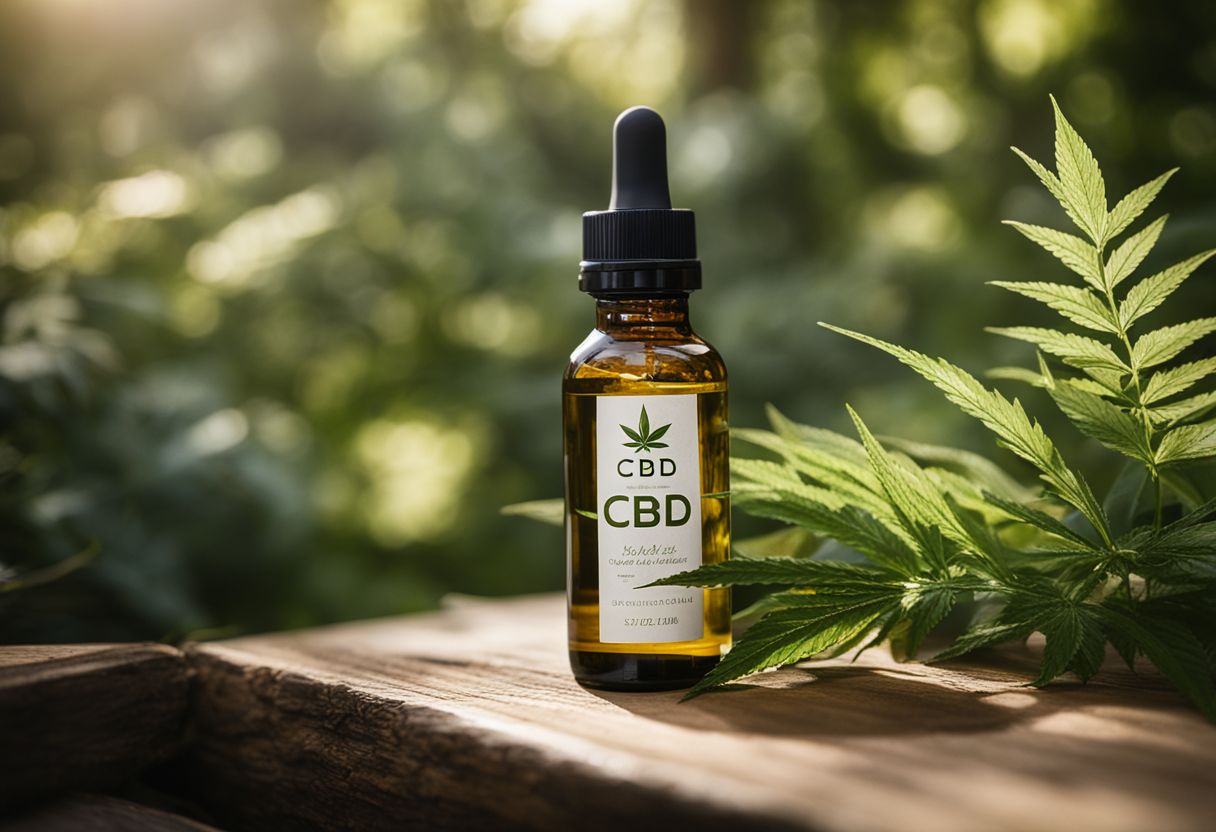
CBD oil is a product derived from the cannabis plant that contains cannabidiol (CBD) as its active ingredient. Unlike marijuana and hemp, CBD oil does not contain tetrahydrocannabinol (THC), which is the psychoactive compound responsible for the “high” associated with marijuana use.
The legality of CBD oil varies by state and country, so it’s important to understand local regulations before purchasing or using it.
How CBD Oil Differs from Marijuana, Cannabis, and Hemp
CBD oil comes from the cannabis plant, but it’s not the same as marijuana. The big difference lies in a chemical called THC, which is what makes people feel high. Marijuana has lots of THC, but CBD oil has very little or none at all.
This means you can get benefits like pain relief without feeling out of sorts.
Hemp is another plant that’s related to cannabis and it also helps make CBD oil. But hemp has to have less than 0.3% THC by law, so there’s no chance of getting high from it either.
People use both hemp and other parts of the cannabis plant to create different kinds of CBD oil products for health needs.
The Legality of CBD Oil
CBD oil comes from the cannabis sativa plant, but it’s legal in many places. Not all countries allow it, so you should check your local laws. In the United States, if CBD oil has less than 0.3% THC (tetrahydrocannabinol), it is legal under federal law.
Some states have their own rules for CBD oil.
You can find this oil in stores and online as long as it follows these rules. It’s sold as dietary supplements, cosmetics, and even for medical use sometimes. Since its popularity is growing fast, more places are making laws to manage how it’s made and sold.
Knowing about possible health benefits of CBD oil might make you want to try it out next.
Health Benefits of CBD Oil

CBD oil has been shown to potentially provide pain relief, reduce symptoms of mental health disorders, alleviate certain cancer-related symptoms, and even have neuroprotective properties.
Additionally, it may benefit heart health and offer various other potential health benefits.
Potential Pain Relief
CBD may help you manage pain better. It works by raising levels of anandamide in your body. This is a compound that helps control pain, so it could make you hurt less and feel happier.
People with lots of different pains use CBD oil, like those with arthritis or back problems.
Some people say it even helps with hard-to-treat nerve pain or inflammation. If regular painkillers haven’t worked for you, or if you’re looking for something more natural, CBD might be worth trying.
Just keep in mind to check how it fits with any other medicine you take and watch out for side effects like feeling tired or changes in appetite.
Possible Reduction of Mental Health Disorder Symptoms
In addition to potential pain relief, CBD oil may also offer promising benefits for reducing symptoms associated with mental health disorders. Research suggests that CBD can positively impact conditions such as anxiety, depression, and post-traumatic stress disorder (PTSD).
Studies have shown that CBD may help alleviate symptoms by interacting with serotonin receptors in the brain, which are responsible for regulating mood and emotional well-being. Furthermore, the anti-inflammatory properties of CBD could potentially play a role in managing symptoms related to mental health disorders.
Medical associations and peer-reviewed studies have indicated that individuals using CBD oil for mental health purposes should be mindful of potential side effects such as fatigue, irritability, and changes in appetite.
However, several clinical studies have demonstrated encouraging findings regarding the use of CBD oil as a complementary approach to traditional treatments for mental health concerns.
Alleviation of Certain Cancer-Related Symptoms
CBD oil may help alleviate certain cancer-related symptoms. Its potential for reducing inflammation and pain can offer relief to individuals undergoing cancer treatment. Additionally, CBD oil has the capability to reduce nausea and vomiting, common side effects of chemotherapy.
Furthermore, some studies suggest that CBD oil could inhibit the growth of cancer cells or induce cell death in specific types of cancer.
As you delve deeper into understanding the benefits and uses of CBD oil, it’s crucial to consider its potential impact on alleviating certain cancer-related symptoms.
Neuroprotective Properties
CBD oil has shown potential neuroprotective properties by interacting with the endocannabinoid system. This interaction may help protect nerve cells from damage, which could be beneficial for conditions like Parkinson’s disease and Alzheimer’s.
Studies suggest that CBD oil may also have anti-inflammatory effects in the brain, potentially reducing the impact of neurological disorders. Additionally, CBD oil’s ability to regulate anandamide levels can contribute to improved mood and pain management for individuals dealing with neurological conditions such as epilepsy syndromes.
The neuroprotective properties of CBD oils may offer a promising avenue for managing various neurological disorders, but it is important to consult a healthcare professional before considering its use due to possible drug interactions and individual variations in response.
Benefits to Heart Health
CBD oil potentially offers benefits to heart health. Some studies suggest that it may help in lowering blood pressure, which is beneficial for heart health. Additionally, CBD oil’s anti-inflammatory properties could aid in reducing inflammation and cell death associated with heart disease.
However, more research is needed to fully understand the impact of CBD oil on heart health.
By promoting relaxation and reducing anxiety, CBD oil may also indirectly support heart health by helping manage stress levels. It is important to note that while there are potential benefits, consulting a healthcare professional before incorporating CBD oil into your routine is crucial, especially if you have existing heart conditions or are taking medications for them.
Other Potential Benefits
CBD oil may hold other potential benefits, including its ability to reduce acne due to its anti-inflammatory properties and influence on the body’s sebum production. Additionally, it has shown promise in easing symptoms of neurological disorders like Parkinson’s disease and Huntington’s disease.
Moreover, some studies suggest that CBD oil might offer relief for individuals with arthritis by alleviating pain and reducing inflammation.
Furthermore, preliminary research indicates that CBD oil could have a positive impact on opioid addiction by potentially lessening dependency on opioids. Another potential benefit is its role in aiding individuals with insomnia through promoting relaxation and reducing anxiety.
In-Depth Exploration of CBD Oil Benefits
CBD oil offers various potential benefits that may interest you as a consumer. It holds promise for managing pain, reducing inflammation, and alleviating symptoms of mental health disorders.
Additionally, CBD oil has shown neuroprotective properties and potential benefits for heart health. Importantly, it can increase the body’s levels of anandamide, which is associated with regulating pain and improving mood.
Moreover, some research suggests its use in cancer-related symptom relief.
The promising aspects of CBD oil also extend to skincare as it possesses anti-acne properties. Its anti-inflammatory nature presents potential benefits for conditions like osteoarthritis and rheumatoid arthritis.
Notably, some users have reported reduced dependence on opioids after using CBD oil for chronic pain management.* You might find these insights invaluable when considering CBD oil products or learning more about their potential applications.
5. Uses of CBD Oil.
Uses of CBD Oil
CBD oil has been used for various health issues, such as joint pain, mental health disorders, and neurological conditions. To learn more about the specific uses and benefits of CBD oil, keep reading to discover how it could potentially improve your overall well-being.
CBD for Joint Pain
CBD has been shown to have potential benefits for relieving joint pain. Studies suggest that CBD can help reduce inflammation, which is a common cause of joint discomfort. This natural compound may interact with receptors in the body’s endocannabinoid system, potentially reducing pain perception and improving overall mood.
Additionally, CBD oil may increase levels of anandamide, a compound associated with regulating pain.
Some people using CBD oil for joint pain report experiencing relief without the side effects associated with traditional medication options. It’s important to note that while many individuals find relief from using CBD oil for joint pain, it’s essential to speak with a healthcare professional before starting any new supplement or treatment regimen, especially if you’re currently taking other medications or have underlying health conditions.
CBD in Mental Health
CBD oil has been researched for its potential benefits in mental health. It may help reduce anxiety and depression symptoms, offering a natural alternative to traditional medications.
Some studies suggest that CBD oil can interact with the brain’s serotonin receptors, which could contribute to its anti-anxiety and antidepressant effects. Additionally, CBD oil might have neuroprotective properties that could benefit those with neurological disorders like epilepsy or Alzheimer’s disease.
However, it is essential to consult a healthcare professional before using CBD oil for mental health concerns, as individual responses can vary.
CBD for Neurological Disorders
CBD may offer potential benefits for neurological disorders. Research suggests that CBD oil holds promise in managing conditions like epilepsy, with FDA approval of Epidiolex to treat Dravet syndrome and Lennox-Gastaut syndrome.
Additionally, it may have a role in reducing the frequency and intensity of seizures in people with these conditions. Moreover, CBD oil’s neuroprotective properties show promise for conditions like multiple sclerosis and amyotrophic lateral sclerosis (ALS), potentially aiding in symptom management.
Always consult a healthcare professional before using CBD oil to address any neurological disorder.
Side Effects of CBD Oil
Some common side effects of CBD oil include diarrhea, dry mouth, and drowsiness. It’s important to be aware of these potential side effects and take necessary precautions when using CBD oil.
Common Side Effects
CBD oil may cause common side effects in some individuals. Here are potential side effects to consider:
- Dry mouth: This side effect is common due to the interaction of cannabinoids with salivary glands.
- Diarrhea: Some people may experience gastrointestinal discomfort when using CBD oil.
- Reduced appetite: CBD oil might affect appetite, leading to reduced food intake in some individuals.
- Drowsiness: Some users report feeling drowsy or fatigued after consuming CBD oil.
- Fatigue: Another common side effect, which can occur particularly at higher doses.
Precautions and Warnings
While CBD oil is generally well-tolerated, it’s crucial to be aware of potential precautions and warnings. It may interact with blood-thinning medications, leading to increased levels in the body.
Additionally, some people might experience adverse reactions such as diarrhea, changes in appetite and weight, fatigue, low blood pressure, lightheadedness and signs of liver injury.
Serious side effects like seizures and pneumonia should also be monitored closely when using CBD oil.
Interactions with Other Medications
When taking CBD oil, it’s important to consider potential interactions with other medications. Some medications changed by the liver, such as Cytochrome P450 3A4 substrates, and sedative medications like CNS depressants, may interact with CBD oil.
It’s crucial to consult a healthcare professional before combining CBD oil with any other medications.
Medications Changed by the Liver (Cytochrome P450 1A1 (CYP1A1) Substrates)
CBD oil can interact with medications that are changed by the liver. This interaction can affect how the drugs work in your body and may cause potential side effects. Here’s a list of medications changed by the liver (Cytochrome P450 1A1 (CYP1A1) Substrates) that could have interactions with CBD oil:
- Antiarrhythmics (Quinidine)
- Antipsychotics (Clozapine, Haloperidol)
- Benzodiazepines (Xanax, Valium)
- Beta blockers (Propranolol, Metoprolol)
- Calcium channel blockers (Verapamil, Amlodipine)
- HMG CoA reductase inhibitors (Statins like Atorvastatin, Simvastatin)
- Immune modulators (Tacrolimus)
Sedative Medications (CNS Depressants)
Sedative medications, also known as CNS depressants, are drugs that slow down brain activity. They include benzodiazepines, barbiturates, and certain sleep medications. These medications may interact with CBD oil, causing increased drowsiness and fatigue. Additionally, combining sedatives with CBD oil can enhance the effects of both substances, potentially leading to excessive drowsiness and impairment. It is important to consult with a healthcare professional before using CBD oil with sedative medications to avoid potential adverse effects.
Specific Interactions (Clobazam, Eslicarbazepine, Rufinamide, Topiramate, Valproate, Zonisamide)
CBD oil may interact with specific medications, affecting their levels in the body. It’s important to be aware of these interactions, including:
- Clobazam
- Eslicarbazepine
- Rufinamide
- Topiramate
- Valproate
- Zonisamide
Frequently Asked Questions
– Is CBD Oil Safe? Learn about the safety concerns and potential risks associated with using CBD oil.
– How Can CBD Be Taken?? Explore the various methods of taking CBD oil, including oral consumption, topical applications, and more.
– What is the Best CBD Oil? Discover what to look for when choosing a high-quality CBD oil product that best suits your needs.
Is CBD Oil Safe?
CBD oil is generally considered safe, but some people may experience side effects such as dry mouth, diarrhea, and fatigue. Serious side effects to watch out for include changes in appetite, seizures, and signs of liver injury.
It’s important to be aware of potential interactions with other medications because CBD oil can increase their levels in the body. While CBD oil may offer benefits like reducing pain and inflammation, it’s crucial to monitor for any adverse reactions and consult a healthcare professional before use.
Moving on from the safety aspect of CBD oil, let’s explore its potential health benefits.
How Can CBD Be Taken?
CBD can be taken in various forms, such as oil tinctures, capsules, edibles like gummies, and topical creams. It can also be inhaled through vaping or smoking CBD-rich cannabis. Each method has different absorption rates and effects on the body.
For example, taking CBD oil sublingually (under the tongue) allows for faster absorption into the bloodstream compared to ingesting it in the form of capsules or edibles. Topical application of CBD cream is beneficial for targeting specific areas of pain or inflammation.
Vaping delivers CBD quickly into the bloodstream but may have potential risks associated with inhalation.
What is the Best CBD Oil?
When you’re looking for the best CBD oil, it’s essential to consider several factors to ensure quality and safety. Look for reputable brands that provide third-party lab test results, ensuring their products are free from contaminants and accurately labeled with CBD content.
Additionally, consider the extraction method used – CO2 extraction is widely regarded as the safest and most effective. Checking for organic certification can also guarantee a product free from pesticides and other harmful chemicals.
It’s important to note that the best CBD oil for one person may not be the best for another due to individual needs and preferences. Keep in mind your specific health concerns, desired potency, and preferred delivery method when selecting a CBD oil product.
Conclusion
In conclusion, CBD oil offers potential benefits in pain management and mental health. It may help reduce inflammation and alleviate symptoms of conditions like cancer, neurological disorders, and heart disease.
Despite being generally well-tolerated, it’s important to be aware of potential side effects such as fatigue and changes in appetite. When considering CBD oil, it’s crucial to consult with a healthcare professional particularly if you are taking other medications or have existing health conditions.
Staying informed about the legal status of CBD oil is also essential for making well-informed decisions about its use.
Discover the full spectrum of CBD oil benefits and understand how it could play a role in your wellness routine.
FAQs
1. What is CBD oil?
CBD oil, or cannabidiol oil, comes from cannabis plants. It’s a natural medicine that people use for different health problems.
2. Can CBD oil help with pain?
Yes! Many people find CBD oil helps with cancer pain, neuropathic pain caused by nerve damage, and other kinds of chronic pain like fibromyalgia.
3. Is CBD the same as marijuana?
No, they’re not the same. While both come from cannabis plants, medical marijuana has tetrahydrocannabinol (THC), which makes you feel high; CBD doesn’t do this.
4. Are there any side effects to using CBD oil?
Sometimes yes, people might see some side effects like feeling tired or changes in weight or appetite because it can affect things inside your body called cytochrome P450 enzymes.
5. Can anyone use CBD for their health problems?
Not everyone should use it without talking to a doctor first since medical advice is important if you take other medications or are pregnant to avoid harmful effects.
6. Does research support using CBD oil?
Many academic research institutions study how well it works and what it does so that we know more about its benefits and uses.