Hey there, are you curious if that green herb is considered a drug? You’re not alone; many folks wonder about marijuana’s place in the drug world. In this read, we’ll dive deep into what weed really is and unpack its effects on your health—both the highs and the lows.
Let’s light up the truth together so you can make informed choices about cannabis consumption. Stay tuned for an enlightening journey!
Key Takeaways
- Marijuana, or weed, is a drug that comes from the cannabis plant and can make you feel high because of a chemical called THC.
- Using marijuana can change how your brain works and may lead to mental health issues or addiction, especially if you start using it when you’re young.
- Smoking weed can hurt your lungs just like smoking cigarettes. Also, even being around someone else’s smoke can be bad for your health.
- Some people think that using marijuana might make you want to try stronger drugs later on, but scientists are still figuring out if this is true.
- If someone has trouble with using too much marijuana, there are ways to get help like therapy or joining support groups.

Understanding Marijuana
Marijuana, also known as cannabis, is a psychoactive drug derived from the cannabis plant. It is typically smoked using water pipes or rolled into cigarettes, but can also be vaporized using vaping products.
Additionally, marijuana extracts such as hash oil and honey oil are becoming increasingly popular among users.
What is Marijuana?
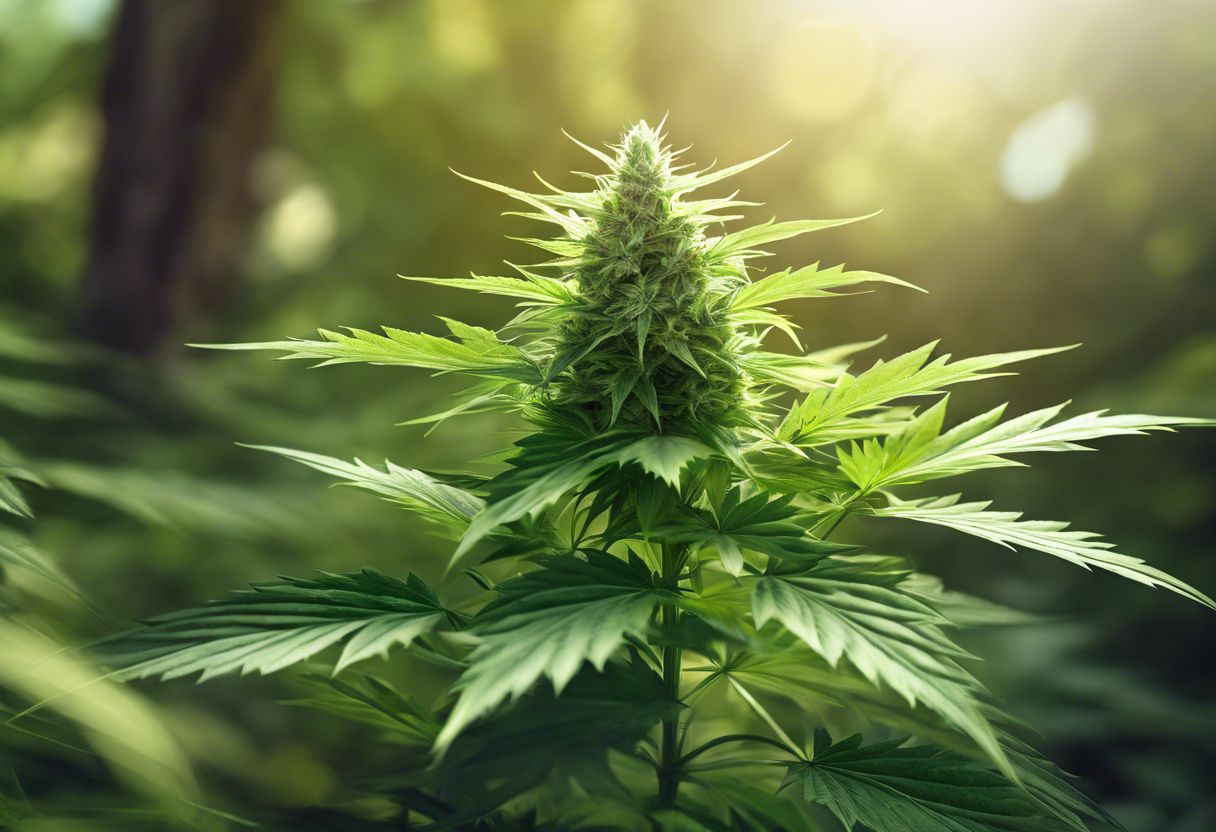
Marijuana comes from the cannabis plant. People call it weed, pot, or grass. It has many chemicals inside it, but THC (tetrahydrocannabinol) is the main one that makes you feel high.
This plant grows all over the world and can be used in different ways.
You might smoke it with a water pipe or roll it up like a cigarette using dried parts of the plant. Some folks put marijuana extracts—like hash oil or honey oil—in their food or vape them to get its effects.
This herb affects your brain and body, so knowing all about it helps you make smart choices.
Now let’s talk about how people use marijuana in their lives.
How is Marijuana Used?
Marijuana comes in many forms and can be used in several ways. Everyone has their own favorite method, but here are some of the common ones.
Marijuana Extracts
Moving on, let’s talk about marijuana extracts. These are powerful substances taken from the cannabis plant. People make them by pulling out the compounds like THC and CBD. Extracts can be much stronger than regular weed you might smoke or eat.
These extracts come in various forms like oils, waxes, and even solid bits called “shatters” or “budder.” They have a lot of THC – that’s what makes you feel high – which is why they’re so strong.
Some folks use these for fun while others might use them to help with pain or stress. Just know that because they’re more potent, it’s easier to take too much and have a bad reaction or feel really anxious after using them.
The Effects of Marijuana on the Brain
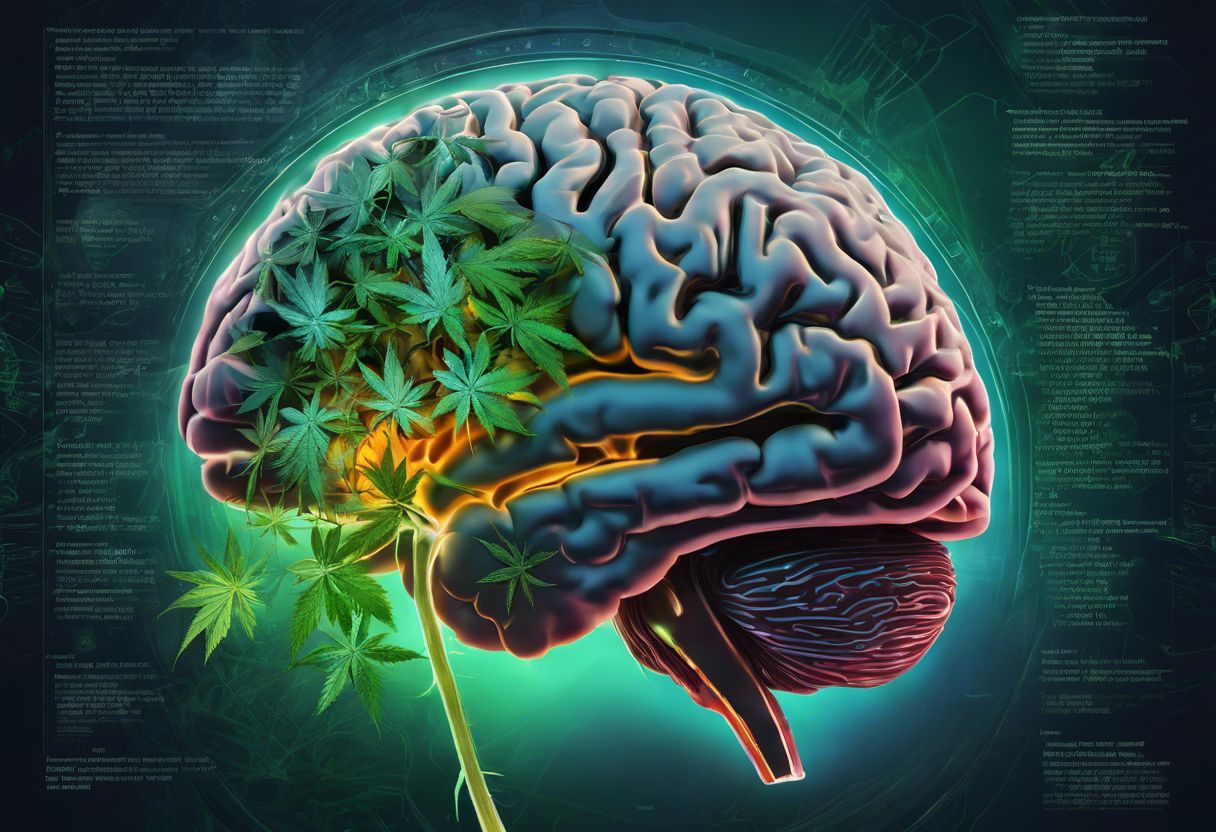
Marijuana can have both short-term and long-term effects on the brain, affecting cognitive functions such as memory, problem-solving, and attention. The rise in marijuana’s THC levels has also been a concern for its impact on brain health (Link to the THC article).
Short-Term Effects
When you use marijuana, these short-term effects might happen:
- Sedation: Marijuana can make you feel relaxed and sleepy. It might slow down your reaction time and affect your coordination.
- Bloodshot eyes: Using marijuana can cause your eyes to become red or bloodshot due to the widening of blood vessels in the eyes.
- Increased heart rate: After using marijuana, your heart rate may go up, which can make you feel like your heart is pounding.
- Coughing: Smoking marijuana can cause lung irritation and lead to coughing.
- Boosted appetite: Many people experience an increased desire for food after using marijuana, commonly known as the “munchies.”
Long-Term Effects
After understanding the short-term effects of marijuana, it’s important to also be aware of the potential long-term impacts that consistent use can have on your health. Here are some important long-term effects of marijuana use:
- Cognitive Impairment: Consistent and prolonged use of marijuana may lead to difficulties with memory, attention, and learning.
- Mental Health Issues: Long-term use has been associated with an increased risk of developing mental health disorders such as anxiety, depression, and schizophrenia.
- Respiratory Problems: Regular marijuana smoking can contribute to chronic bronchitis and respiratory infections due to the harmful effects of smoke on the lungs.
- Addiction: Continued and frequent use can lead to the development of a marijuana use disorder, making it challenging to stop using despite negative consequences.
- Negative Impact on Social Life: Excessive use may lead to decreased motivation, reduced interest in activities, and strained relationships with family and friends.
A Rise in Marijuana’s THC Levels
Marijuana today has higher levels of THC, the chemical that makes you feel high. This means it can be more potent and have stronger effects. The increase in THC levels may lead to a greater risk for addiction and other health concerns.
It’s important to be informed about these rising THC levels when considering marijuana use. Higher potency can mean an increased likelihood of adverse effects on your mental health, such as anxiety or panic attacks.
Understanding this trend is crucial for making responsible choices about marijuana consumption.
Other Forms of THC to Explore
Physical and Mental Health Impacts of Marijuana
Marijuana can have both physical and mental health impacts, including respiratory issues, impaired cognitive function, and an increased risk of developing mental disorders. To learn more about the effects of marijuana on health, keep reading!
Physical Effects
Marijuana use can have various physical effects, such as causing bloodshot eyes and increasing heart rate. It may also lead to coughing due to lung irritation and result in feeling sedated or sleepy.
Additionally, using marijuana might stimulate your appetite, leading to increased hunger. These short-term physical impacts are important for you to be aware of before considering marijuana use.
Furthermore, it’s essential to know that smoking marijuana can pose risks similar to those of tobacco smoke. These include potential harm to the respiratory system and an increased risk of developing lung cancer.
Mental Effects
Marijuana can affect your mental health. Using it may lead to anxiety, paranoia, and even hallucinations. Research suggests that marijuana use is linked to an increased risk of developing psychotic disorders like schizophrenia.
It could also worsen symptoms for people already dealing with mental health issues. Additionally, long-term use might impair memory and cognitive function, especially in young users whose brains are still developing.
It’s crucial to consider the potential impact on your mental well-being before using marijuana. You should be aware that its effects go beyond just feeling “high”, and can have lasting consequences on your mental health.
Secondhand smoke risks
Secondhand smoke from marijuana can have risks for your health. The smoke contains many of the same harmful chemicals that smokers inhale. Breathing in secondhand marijuana smoke might expose you to THC, the psychoactive component in marijuana.
It could negatively impact brain development and affect cognitive functions, especially for young children or pregnant women exposed to it.
Marijuana’s secondhand smoke can also cause respiratory problems and irritate the lungs. Additionally, secondhand exposure may lead to positive drug tests due to THC absorption through passive inhalation, impacting non-users’ daily lives unexpectedly.
The Controversy Surrounding Marijuana
Many people believe that marijuana is a gateway drug, leading to the use of more dangerous substances. Additionally, there are concerns about whether a person can overdose on marijuana and if it is addictive.
The controversy surrounding these issues has sparked debate and further research into the effects of marijuana use.
Is Marijuana a Gateway Drug?
When you use marijuana, it could potentially lead to trying other more harmful drugs. Research suggests that using marijuana may increase the likelihood of experimenting with other substances.
This can be risky as it might expose you to drugs that have more severe health consequences.
Marijuana has been associated with being a gateway drug, possibly leading individuals down a path toward trying harder and more dangerous substances. It is important to be aware of this potential risk when considering the use of marijuana for recreational or medicinal purposes so that you can make informed decisions about your health and well-being.
Understanding the risks associated with marijuana can help you make choices that prioritize your long-term health and safety.
Can a Person Overdose on Marijuana?
Now let’s talk about a question you may have wondered about. Can a person overdose on marijuana? It’s essential to understand that while it’s rare for someone to fatally overdose on marijuana alone, consuming too much can lead to severe discomfort and adverse effects.
Symptoms of overconsumption, often referred to as “greening out,” can include extreme anxiety, paranoia, fast heart rate, and disorientation. These symptoms typically subside with rest and time but can be very distressing.
It’s important to note that even though a fatal overdose from marijuana alone is extremely unlikely, it does not mean that using large amounts of the drug is safe or without risks.
Is Marijuana Addictive?
Marijuana can be addictive for some people, leading to a substance use disorder. The drug affects the brain’s reward system, making you want to use it more and more. This can lead to difficulty controlling your marijuana use and withdrawal symptoms when you try to stop.
Using marijuana regularly can also increase the risk of experiencing mental health issues like depression and anxiety. Research suggests that heavy users who start in their teens are at higher risk of addiction and long-term cognitive problems into adulthood.
It is crucial to be aware of these risks even as marijuana becomes more widely accepted.
Treatment Options for Marijuana Use Disorder
If you or someone close to you needs help with marijuana use disorder, there are various treatment options available. Here are some methods that could be suitable for your situation:
- Behavioral Therapy: This approach helps in modifying the thinking patterns related to marijuana use and developing coping strategies to avoid using it.
- Motivational Enhancement Therapy (MET): MET aims to inspire an individual’s motivation and commitment to change their behavior regarding marijuana use.
- Support Groups: Joining support groups can provide a sense of community and shared experience, promoting positive changes in behavior.
- Cognitive-Behavioral Therapy (CBT): CBT helps identify and address problematic behaviors and thought patterns associated with marijuana use.
- Residential Treatment Programs: In cases of severe dependency, residential treatment programs offer an intensive, structured environment for recovery.
Conclusion
In conclusion, the use of marijuana has real risks that can affect your health. Short-term effects like sedation and increased appetite are some things you might notice. But using marijuana could also lead to mental health problems like panic attacks and depression – it’s not just about feeling good.
It’s vital to be aware of the potential risks associated with its use, despite growing popularity and legalization. Remember, being informed is essential when it comes to making decisions about your well-being.
FAQs
1. What is weed and can it be used as a drug?
Weed, also known as marijuana or cannabis, comes from the Cannabis sativa or Cannabis indica plant and has chemicals like THC that can change how your brain works. People use it for fun (recreational use) or to help with health problems (medical use).
2. Can using weed hurt your health?
Yes, smoking weed can lead to health troubles like heart problems, mental illness, asthma attacks, and if a woman uses it while pregnant, it could harm her baby.
3. Is it true that you can get addicted to weed?
Yes, people can get hooked on weed just like other drugs. Regular users might find they need more over time to feel its effects or struggle to quit.
4. Are there different kinds of products made from marijuana?
Besides the plant itself which people smoke or vape; there are things like CBD oil for health issues and scary fake versions called K2 or Spice that aren’t safe at all.
5. How does this drug affect teens differently than adults?
Weed affects young folks’ brains differently than grown-ups—teenagers who use marijuana might have troubles with learning because their brains are still growing until early adulthood.
6. What should someone do if they want help stopping the use of marijuana?
If someone feels stuck in using weed too much and wants help stopping; they could look into addiction treatment programs where doctors talk about ways to break free from the habit.